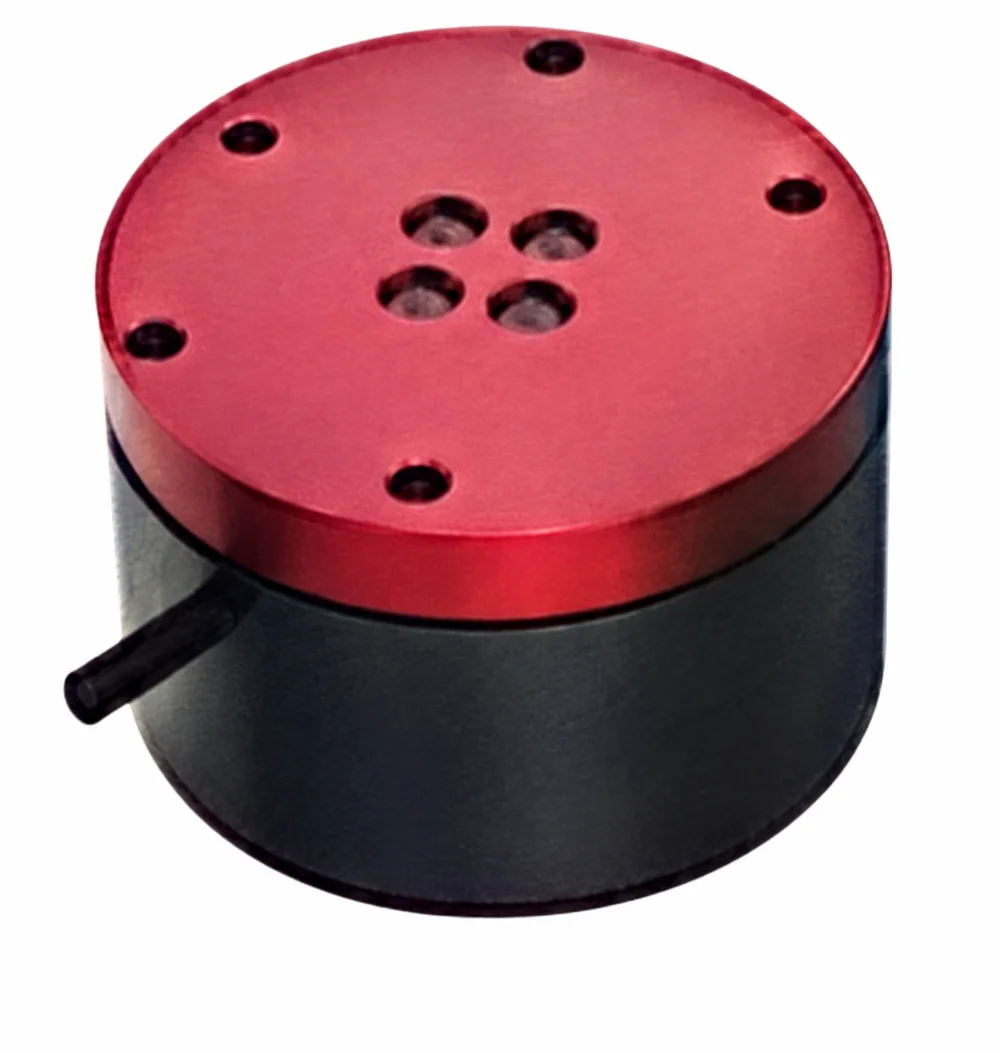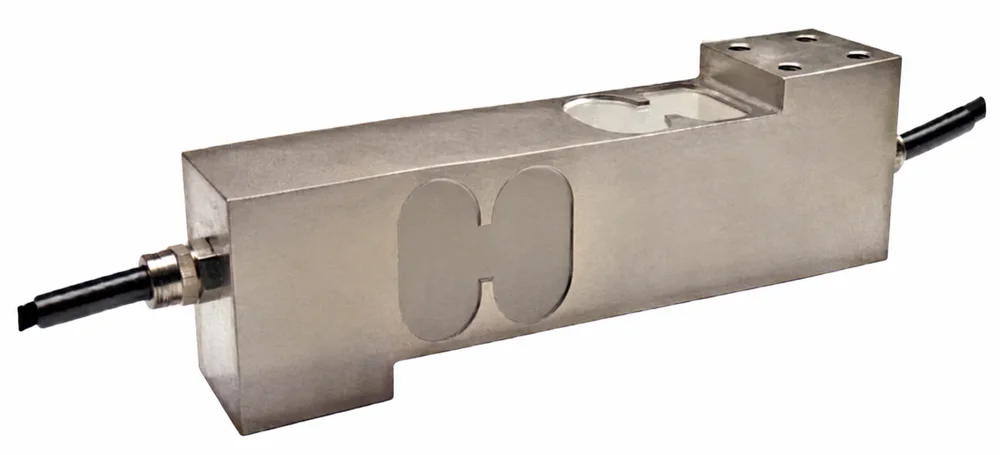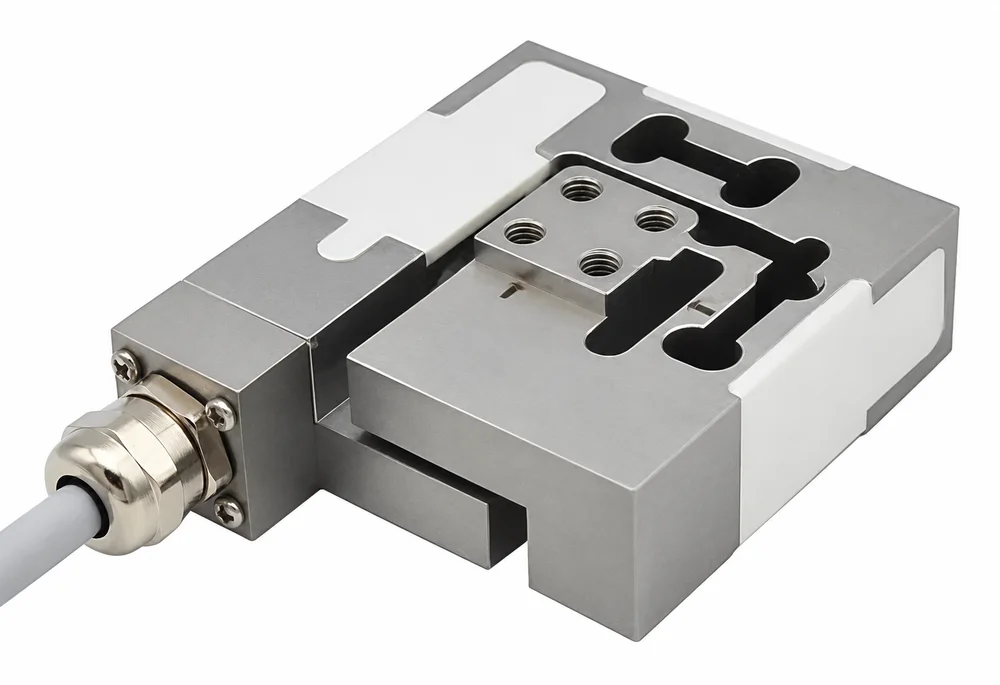
Architecture reference image
MXL-3A · Fx, Fy, Fz
3-Axis Load Cells
Resolve contact force into Fx, Fy and Fz.
2 N–500 kN across requested configurations family target
Review range & integration →MXL-3H / Fx, Fy, Fz
Keep a usable center bore while resolving heavy axial and shear loads.
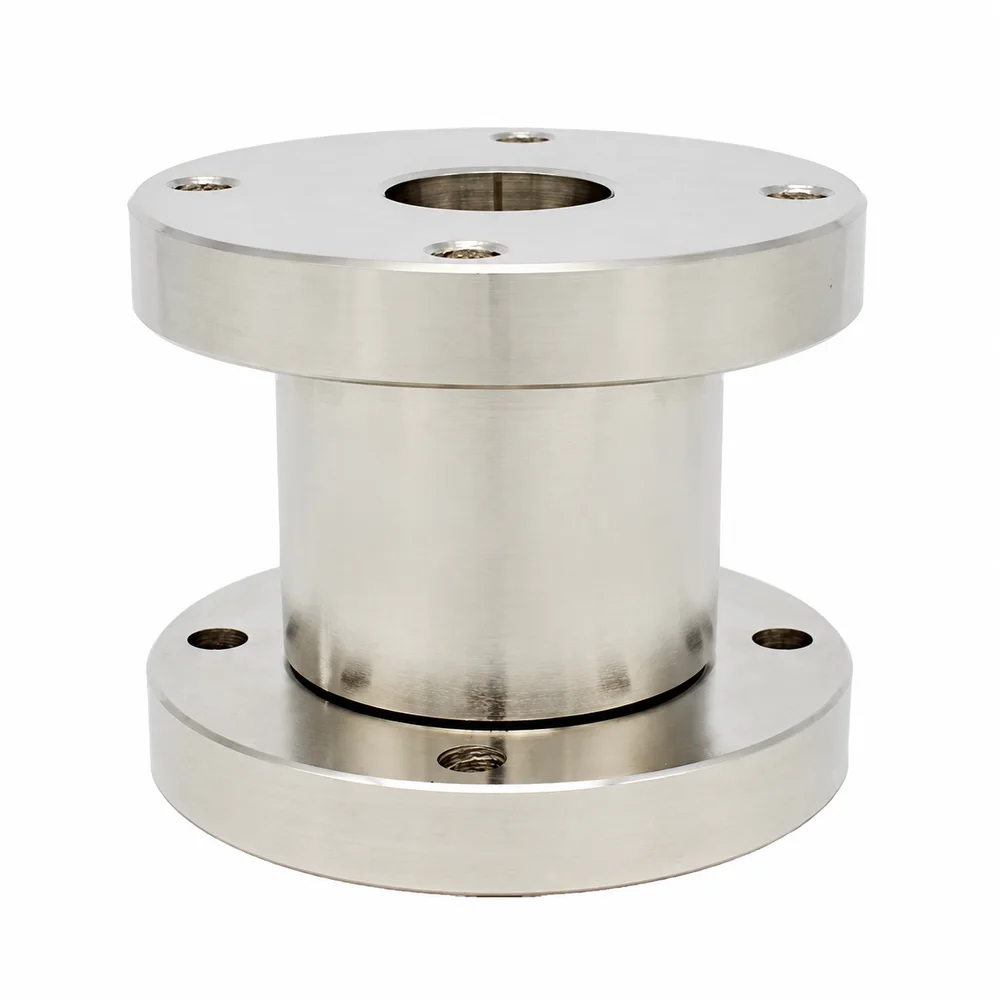
Model-led configuration review
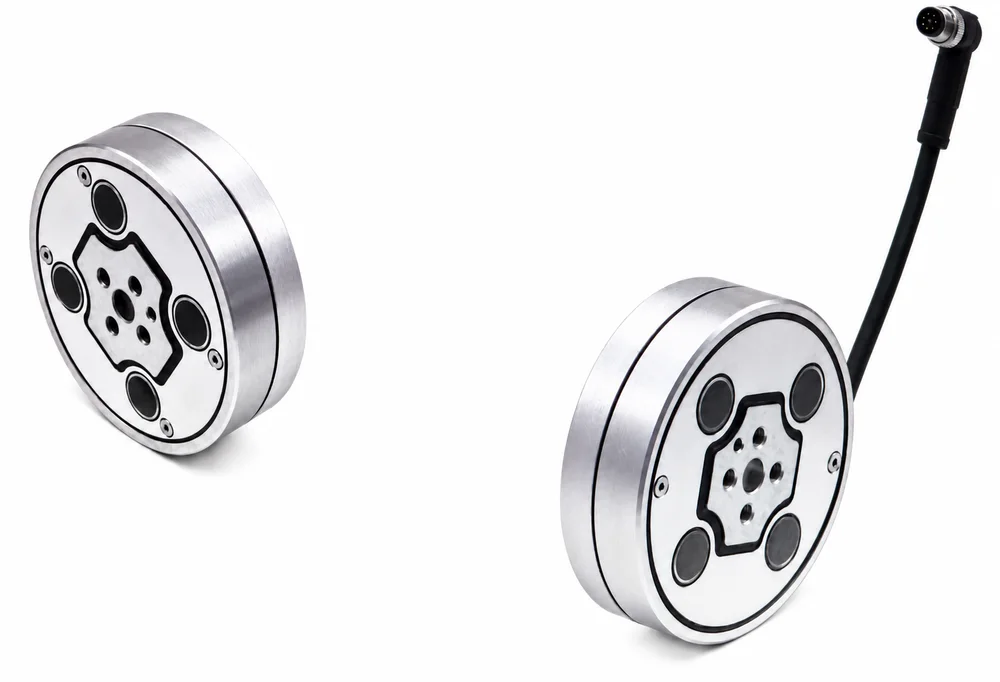
A hollow flange triaxial load cell leaves a center passage for services or a test member. Axial and shear ranges can differ substantially. The requested MXL-3H126 configuration starts from an MTA600 reference review; round 3AR-style configurations are separate mounting requests. Reference dimensions do not establish an approved MXL drawing.
Use cases: Wind-tunnel supports, structural loading, robot bases and heavy-duty test fixtures.
| Configuration / measured components | Requested force capacity | Requested moment capacity | MXL dimensions / interface | Calibration / cross-axis limits | Configure |
|---|---|---|---|---|---|
| MXL-3H126 3-Axis Force [Fx, Fy, Fz] | Fx/Fy about 11.1 kN; Fz about 22.2 kN requested | Not measured; review offset moments | Drawing review required | Calibration, crosstalk, safe/ultimate overload and combined-load limits to confirm | Configure RFQ → |
| MXL-3AR100 3-Axis Force [Fx, Fy, Fz] | Independent shear / axial range by request | Not measured; review offset moments | Drawing review required | Calibration, crosstalk, safe/ultimate overload and combined-load limits to confirm | Configure RFQ → |
| MXL-3AR125 3-Axis Force [Fx, Fy, Fz] | Independent shear / axial range by request | Not measured; review offset moments | Drawing review required | Calibration, crosstalk, safe/ultimate overload and combined-load limits to confirm | Configure RFQ → |
MXL identifiers below describe configurations you can request. Force and moment targets are separate; unmeasured components still have mechanical limits. Approved dimensions, crosstalk, safe and ultimate overload, temperature performance and combined-load limits must be confirmed in the quotation and drawing. No stock or drop-in guarantee is established by a reference name.
Sensor + synchronized electronics
Three force bridges typically need three synchronized channels; six-component force/torque conversion normally needs six and its matched matrix. An assembled platform can require 12 raw channels or a different architecture before aggregation.
Request MXL-AMP2 for two components, MXL-AMP3A / USB3D for triaxial measurement, or MXL-BOX6-ECAT for a six-component hardware conversion review. Actual output support, software, sampling and calibration scope are confirmed per module.
Review the signal chain →Resultant: 111.803 N
Illustrative friction ratio: 0.5000
Ftotal = √(Fx² + Fy² + Fz²). The ratio μ = √(Fx² + Fy²) / |Fz| assumes Fz is aligned with the known surface normal and quasi-static contact. It is not a general surface-angle measurement. Illustrative math only; no live sensor data.
Architecture-specific questions
No. The published MTA600 reference is a heavy hollow flange sensor, approximately Ø126.5 mm by 88.9 mm with a Ø43.7 mm bore. The miniature family uses different reference architectures.
Request a pin-by-pin review of the exact sensor and instrument revision. The reference pinout is not a blanket guarantee of an MXL harness match.
The exact drawing revision, mounting pattern, load limits, bridge excitation, sensitivity, connector/pinout, calibration and controller interface must be compared. A shared capacity or series name is insufficient.
Download model review worksheets or request approved engineering files →
Architecture reference image
MXL-3A · Fx, Fy, Fz
Resolve contact force into Fx, Fy and Fz.
2 N–500 kN across requested configurations family target
Review range & integration →Architecture reference image
MXL-3M · Fx, Fy, Fz
Fit three force components into a constrained end effector.
0.5–100 N across requested configurations family target
Review range & integration →Architecture reference image
MXL-3H · Fx, Fy, Fz
Keep a usable center bore while resolving heavy axial and shear loads.
Independent axial and shear capacities by configuration family target
Review range & integration →Architecture reference image
MXL-6D · Fx, Fy, Fz, Mx, My, Mz
Measure three forces and three moments at one interface.
Micro force to 50 kN / 5 kN·m requested envelopes family target
Review range & integration →Architecture reference image
MXL-2D · Fx/Fy, Fx/Fz or Fz/Mz
Separate normal force from tangential friction force.
20 N–50 kN family target
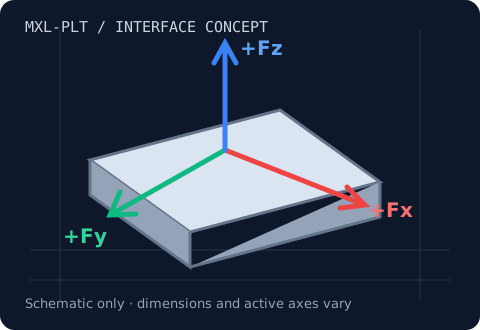
Review range & integration →MXL-PLT · Aggregate Fx, Fy, Fz
Capture distributed forces across a rigid test surface.
Application-specific targets up to 500 kN family target
Review range & integration →