Define the measurement before choosing a package.
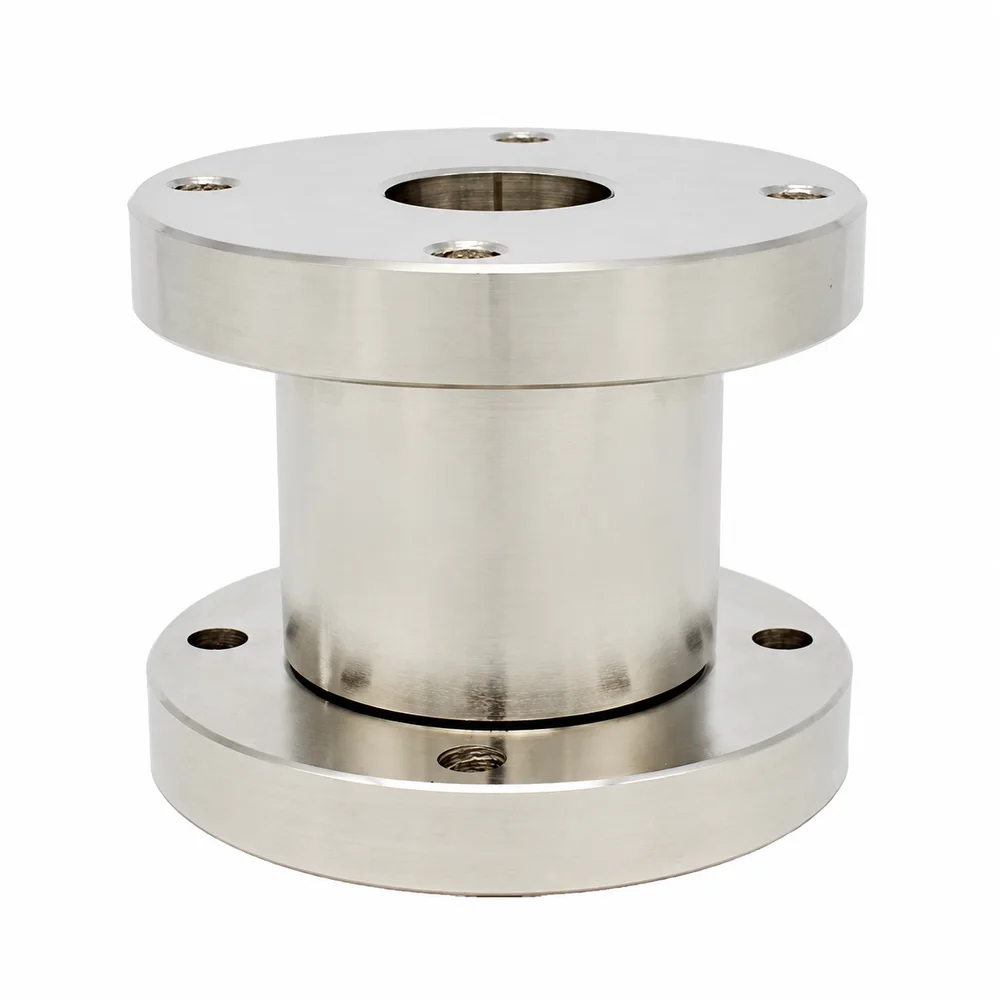
A wind-tunnel model support can require three forces or a complete six-component wrench. Identify the balance origin, model support stiffness, cable route and tare procedure. A hollow flange can preserve a service passage, but the bore must remain clear without forming a parallel load path.
Propeller and eVTOL test systems often need axial thrust Fz and reaction torque Mz together. That is the MXL-2D-FT review path. Specify the rotor/load dynamics, mounting stiffness, force and torque ranges, thermal environment and independent rotational-speed measurement where required by the test method.
Landing-gear drop testing requires an assembled measurement-system review. Peak force, pulse duration, impact energy, resonant response and fixture behavior govern selection. A platform capacity cannot be established by multiplying corner sensor capacities or by reusing a static data-sheet limit.