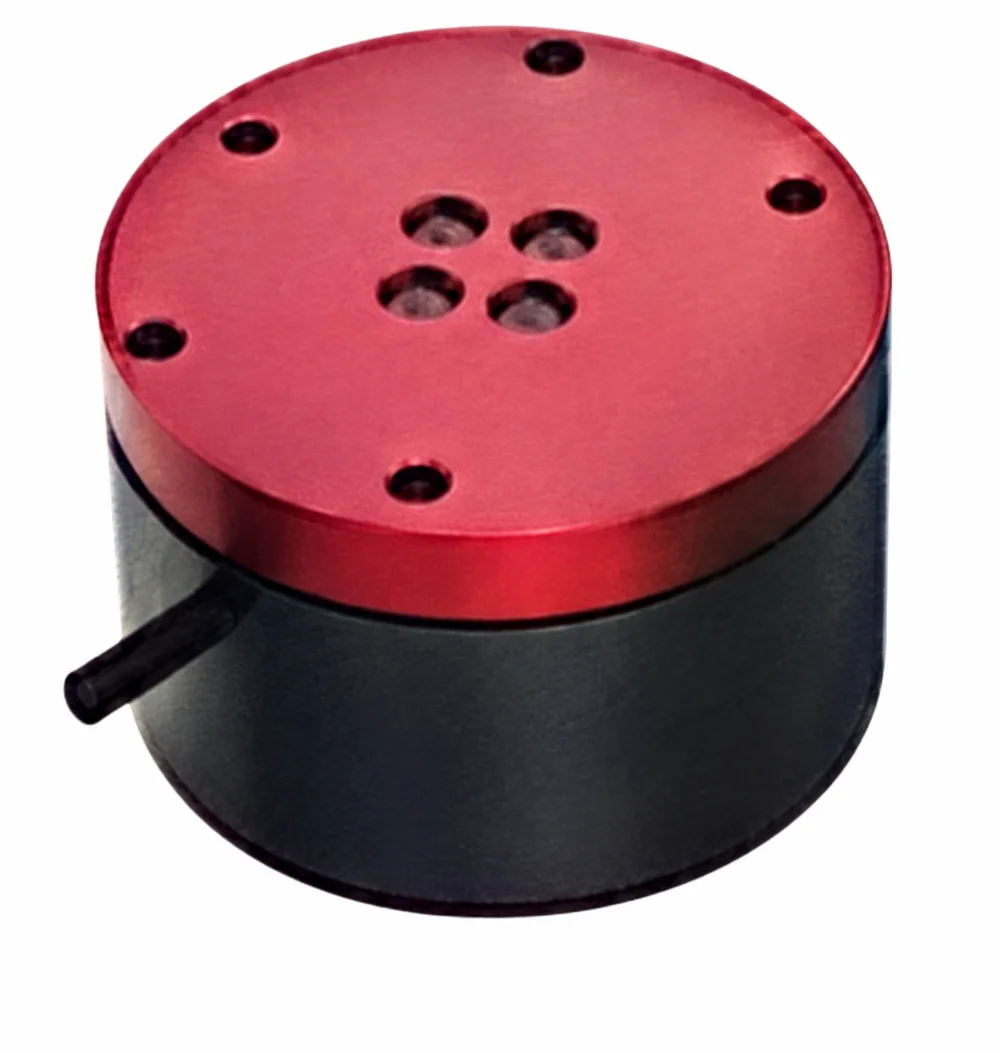
Define the measurement before choosing a package.
Surgical-robot and haptics research often prioritizes a constrained envelope, low-force resolution, stiffness and cable strain relief. Select three force components or six force/moment components based on the tool load path. Small package size alone does not establish usable low-force performance.
Operating conditions such as cleaning, moisture, electrical isolation and patient proximity require explicit requirements and verification. The MXL website offers an engineering configuration review; it does not establish medical-device approval, sterilization compatibility or clinical suitability.
For gait and rehabilitation research, a platform may need force, moment and center-of-pressure outputs. Those depend on known sensing coordinates, assembled-platform calibration, timing and the analysis method. A requested plate size or nominal force range is not evidence of measured COP accuracy.